
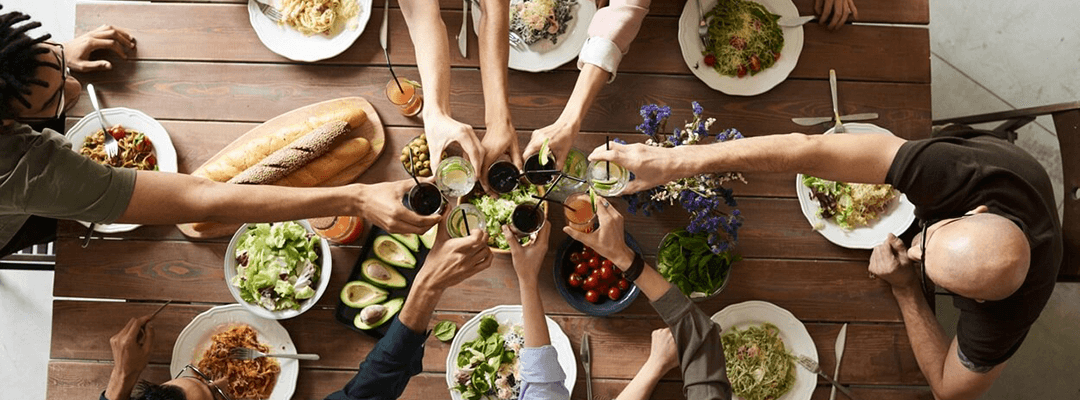
Food is more than sustenance—it is culture, tradition, and a language of connection that everyone understands. Across the world, meals have brought people together, whether in family kitchens, bustling markets, or community festivals. Sharing food creates a sense of belonging, celebrates diversity, and builds bridges between people who may otherwise remain strangers. In many ways, food is the heartbeat of communities, reminding us that togetherness often starts at the table.
Food As Identity
The meals we prepare and share are an expression of who we are. They carry family traditions, cultural stories, and personal preferences that shape our identities. A simple dish often tells a story of generations, migration, and history.
This connection to identity is not unlike curating an insta dp download, where a chosen image reflects personality and individuality in a single frame. Food, much like images, speaks volumes about where we come from and what we value.
Food And Legal Traditions
The significance of food is also seen in cultural customs and legal frameworks around hospitality, farming, and trade. Many countries regulate food safety and agricultural practices to protect communities while preserving cultural traditions. In Australia, for instance, farmers’ markets and local food producers are often supported by guidelines that balance commerce and culture.
For those navigating such legal considerations, resources like an Australian law directory provide access to professionals who can advise on matters such as food safety compliance, community events, or small business law. By aligning legal practices with cultural values, communities ensure that food traditions are both safe and sustainable.
Food And Storytelling
Meals often serve as opportunities for storytelling, where recipes passed down through generations connect the past with the present. Stories of migration, resilience, and family love are often shared over steaming bowls or freshly baked bread. In the digital age, communities also use storytelling platforms to extend these connections online.
Many blogs and community forums encourage individuals to contribute, often under sections like write for us, where people share recipes, cultural insights, and personal stories. These contributions not only preserve traditions but also invite others into the shared experience of food as connection.
Food And Modern Business
As the food industry evolves, technology and digital services are helping communities connect more effectively. Online directories and professional listings are used to find services that make events, markets, and local businesses more accessible.
Just as communities come together for meals, businesses collaborate using tools like website design companies listing Australia, which help food producers, cafés, and restaurants build an online presence. A strong digital foundation ensures local food businesses remain visible, allowing them to continue serving as gathering points for their communities.
Food And Everyday Connections
At the simplest level, food strengthens daily human connections. Neighbors sharing baked goods, friends meeting for coffee, or families gathering for dinner all demonstrate how meals create moments of togetherness. Community kitchens and potluck events extend this further, uniting people from different backgrounds under one roof.
Platforms like a tradie directory highlight the same spirit of connection, linking communities with trusted professionals. In much the same way, food links people by building trust, offering comfort, and fostering cooperation within neighborhoods and towns.
Festivals And Celebrations
No festival or celebration feels complete without food. Whether it’s Diwali in India, Thanksgiving in the U.S., or Lunar New Year across Asia, meals are at the heart of these gatherings. Traditional dishes mark the occasion, and preparing them together creates bonds that go beyond the celebration itself.
Food at these events transcends cultural and linguistic barriers. A shared meal offers hospitality and acceptance, inviting others to celebrate as part of the community, no matter their background.
Food And Social Impact
Food also plays a role in addressing social challenges. Community kitchens, food banks, and charity meals provide support for those in need. These initiatives demonstrate that food is more than a pleasure—it’s a lifeline that builds solidarity in times of hardship.
When communities come together to fight hunger or share resources, they prove that meals aren’t just personal—they are social tools that nurture kindness and compassion.
The Future Of Food In Communities
As technology, urbanization, and globalization reshape societies, food remains a central element of connection. From online delivery platforms to sustainable farming practices, the way communities engage with food is evolving. Yet the core remains the same: meals bring people together in ways few other experiences can.
Future trends may emphasize eco-conscious dining, virtual food experiences, and greater inclusivity in culinary traditions. Still, no matter how it changes, food will continue to be the universal language of community.
Conclusion
Food binds people together, transcending cultural, social, and even legal boundaries. It is an expression of identity, a facilitator of stories, and a bridge that unites communities through shared experiences. Just like a digital profile, a professional directory, or a collaborative platform, meals act as tools of connection, ensuring that togetherness thrives. By valuing the communal role of food, we preserve traditions, support local businesses, and build stronger, more inclusive societies. Ultimately, every shared meal is a reminder that food is more than nourishment—it is the foundation of human connection.