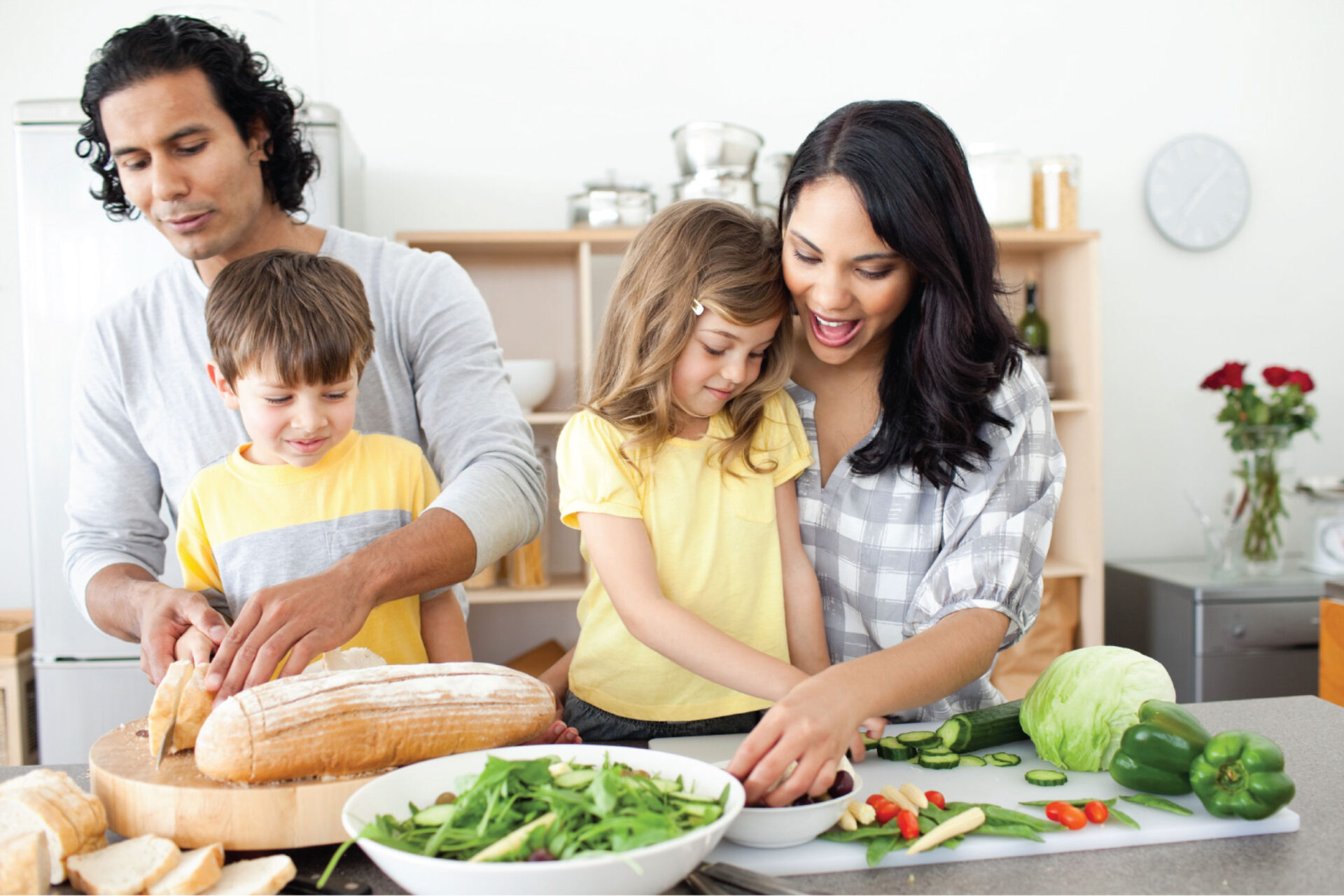
Healthy family cooking does not require expensive Ingredients, complicated recipes, or hours in the kitchen. Many American households manage work, school, childcare, commuting, and limited grocery budgets. Meals need to be practical enough for busy evenings while still supporting energy and long-term wellness.
The strongest cooking routine is often simple.
Families can prepare familiar foods with balanced ingredients, reasonable portions, and fewer unnecessary steps.
Home cooking also provides more control over ingredients.
That does not mean every meal must be made from scratch.
Frozen vegetables, canned beans, prepared ingredients, and leftovers can all support convenient meals.
An organized kitchen can make cooking less stressful. Families looking for practical inspiration may explore home cooking and family lifestyle ideas while improving everyday routines.
Build Meals Around Simple Components
A balanced meal may include:
- A protein source
- Vegetables or fruit
- A grain or other carbohydrate
- Healthy fats when appropriate
The exact combination can change.
Examples include:
Chicken, rice, and vegetables
Beans, whole-grain tortillas, and salad
Eggs, toast, and fruit
Fish, potatoes, and vegetables
Simple meals are easier to repeat.
Families do not need a new recipe every night.
Plan Several Meals Before Shopping
Meal planning can reduce food waste and last-minute spending.
Choose three to five dinners.
Consider:
- Work schedules
- School activities
- Leftovers
- Busy evenings
Avoid planning complicated meals every day.
Include one or two easy options.
Write the grocery list based on the plan.
Check the refrigerator and pantry first.
Prepare Ingredients in Advance
Preparation can save time.
Possible tasks include:
- Washing produce
- Chopping vegetables
- Cooking grains
- Preparing protein
- Portioning snacks
Complete only what fits the schedule.
Some families prepare ingredients on weekends.
Others spend ten minutes after grocery shopping.
The best system is the one that continues.
Organize the Kitchen for Faster Cooking
Keep frequently used items accessible.
Possible groups include:
- Breakfast supplies
- Lunch containers
- Cooking oils
- Spices
- Baking items
Clear counter space.
Remove unnecessary clutter.
People interested in improving kitchen function can explore practical home upgrade ideas.
Organization can reduce preparation time.
A kitchen does not need expensive remodeling to become more useful.
Use Frozen Vegetables
Frozen vegetables can be affordable and convenient.
They are useful for:
- Soups
- Stir-fries
- Pasta
- Side dishes
- Casseroles
Choose products that fit family needs.
Check labels.
Some prepared options contain added sauces or sodium.
Plain vegetables allow more control.
Include Beans and Lentils
Beans and lentils can add protein and fiber.
Use them in:
- Soups
- Tacos
- Salads
- Rice dishes
Canned options are convenient.
Rinsing may reduce some sodium.
Dry beans may cost less but require planning.
Choose based on time and budget.
Cook More Than One Meal
Prepare extra portions.
Leftovers can become:
- Work lunches
- Next-day dinners
- Freezer meals
Label stored food.
Use safe storage practices.
Do not keep leftovers indefinitely.
Meal repetition can save time.
Not every dinner needs to be different.
Make Water the Main Drink
Sugary drinks can add significant calories.
Families do not need to remove every favorite beverage.
Use water as the regular option.
Try:
- Chilled water
- Fruit-infused water
- Unsweetened drinks
Offer water during meals.
Keep reusable bottles accessible.
Reduce Heavy Sauces Gradually
Sauces can add flavor.
They may also contain significant sodium, sugar, or calories.
Use smaller amounts.
Try:
- Herbs
- Spices
- Citrus
- Vinegar
Do not remove flavor.
Healthy cooking should remain enjoyable.
Families are more likely to continue meals they like.
Use Healthier Cooking Methods
Cooking methods can influence the final meal.
Options include:
- Baking
- Grilling
- Steaming
- Roasting
- Sautéing
Frying can still be part of occasional meals.
Balance matters.
Use reasonable amounts of cooking oil.
Measure when needed.
Create Outdoor Cooking Routines
Grilling can support family meals.
Choose a safe area.
Keep equipment away from hazards.
Use appropriate food handling.
Families interested in improving outdoor cooking spaces can explore home exterior and backyard living guidance.
Outdoor meals may also encourage family connection.
Avoid treating grilling as a reason to prepare only heavy foods.
Vegetables and lean proteins can also be cooked outside.
Involve Children
Children may become more interested in meals when they help.
Age-appropriate tasks include:
- Washing produce
- Mixing ingredients
- Setting the table
- Choosing vegetables
- Packing lunches
Supervision matters.
Keep children away from hot surfaces and sharp tools.
Cooking together can teach practical skills.
Avoid Labeling Foods as Good or Bad
Food language can influence family attitudes.
Instead of strict labels, discuss:
- Everyday foods
- Sometimes foods
- Balance
- Portions
One dessert does not ruin a healthy pattern.
One vegetable does not fix an unhealthy pattern.
Long-term habits matter.
Use Reasonable Portions
Large portions may encourage overeating.
Begin with moderate amounts.
Allow family members to request more.
Use hunger and fullness cues.
Avoid forcing children to clean every plate.
Appetite changes from day to day.
Create Better Lunch Options
Work and school lunches can include:
- Sandwiches
- Fruit
- Vegetables
- Yogurt
- Leftovers
Keep preparation simple.
Use safe temperature control.
Plan lunches during dinner cleanup.
This may reduce morning stress.
Keep Healthy Convenience Foods
Convenience can support wellness.
Useful options may include:
- Prewashed greens
- Frozen vegetables
- Rotisserie chicken
- Canned beans
- Whole-grain bread
Choose products based on budget.
Read labels.
Convenience is not automatically unhealthy.
Use a Family Meal Calendar
Write planned meals where everyone can see them.
This reduces repeated questions.
It may also improve grocery planning.
People seeking broader household organization ideas can explore home resources for practical family routines.
Keep the calendar flexible.
Change meals when schedules change.
Avoid Expensive Food Trends
Special products often cost more.
Families do not need unusual ingredients to eat well.
Basic foods can support balanced meals.
Examples include:
- Eggs
- Oats
- Beans
- Potatoes
- Frozen vegetables
- Seasonal fruit
Choose affordable foods.
Nutrition should fit the budget.
Prepare for Busy Nights
Create backup meals.
Possible options include:
- Soup and sandwiches
- Eggs and toast
- Frozen vegetables with rice
- Leftover pasta
A simple dinner is better than feeling pressured to create an elaborate meal.
Backup plans reduce expensive takeout.
Keep Food Safety in Mind
Wash hands.
Separate raw foods.
Cook foods appropriately.
Refrigerate leftovers promptly.
Clean preparation areas.
Food safety is part of family wellness.
Build Healthy Cooking Gradually
Choose one improvement.
Examples include:
- Add vegetables to dinner.
- Prepare lunch at home.
- Cook one extra meal each week.
- Reduce sugary drinks.
Repeat the change.
Avoid redesigning every meal at once.
Healthy family cooking should remain practical.
The strongest plan uses familiar foods, organized preparation, balanced ingredients, and realistic expectations.
Meals do not need to look perfect.
They need to support family life.
A simple dinner prepared consistently may provide more long-term value than an expensive eating plan that becomes impossible after several weeks.