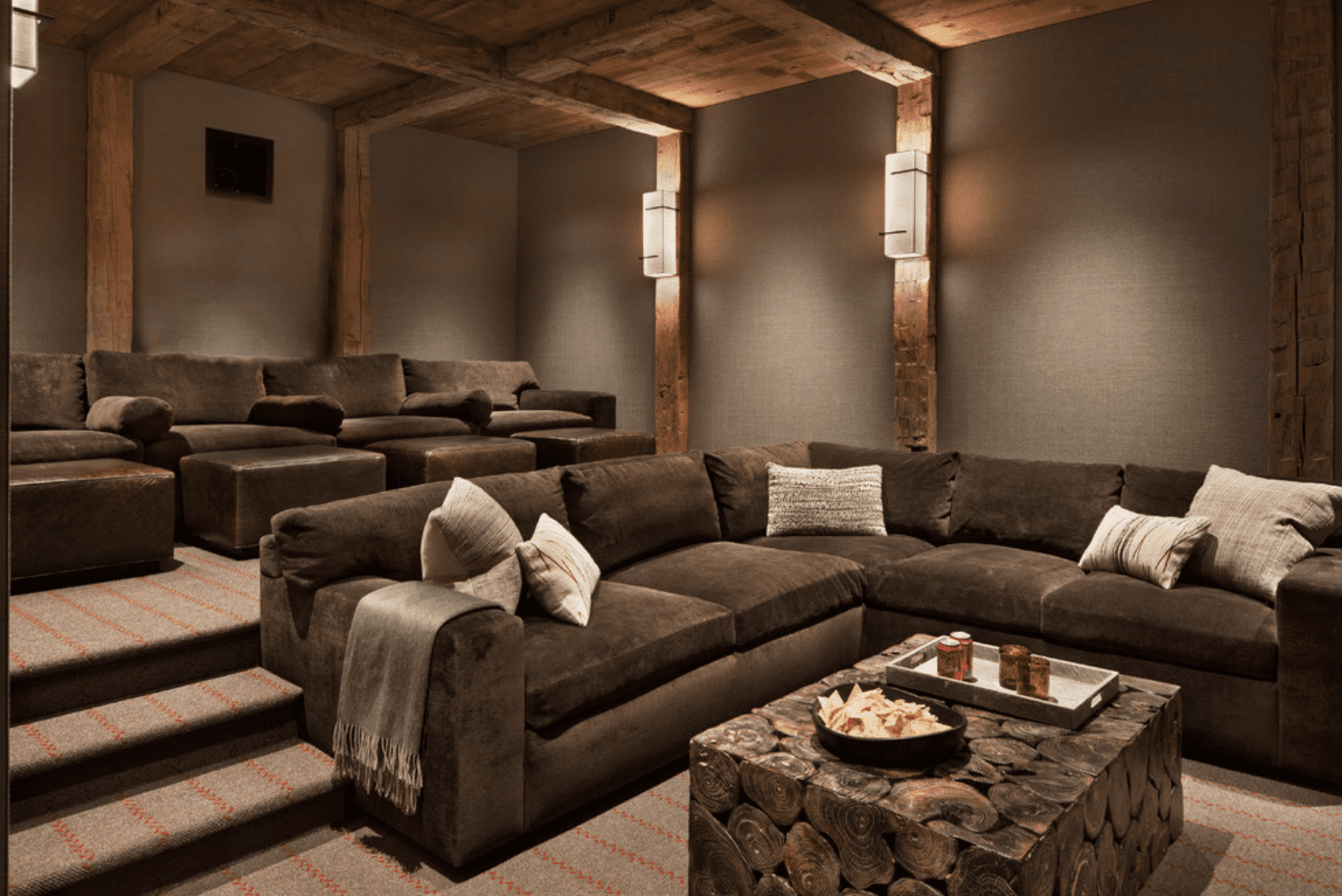
A home theater can turn an ordinary movie night into a memorable family experience. American homeowners do not need a large basement, expensive projector, or professional cinema room to improve home entertainment.
A comfortable television area with clear sound, controlled lighting, organized seating, and reliable streaming can create an enjoyable atmosphere.
The best home theaters are designed around the room, household, and budget. A large screen may not work in a small room. Powerful speakers may disturb neighbors in an apartment.
Practical planning matters more than purchasing the most expensive equipment.
Families should focus on comfort, picture quality, sound clarity, and easy daily use.
Choose the Right Room
A home theater can be created in a living room, basement, spare bedroom, family room, or flexible shared space.
Consider light, noise, seating, internet access, electrical outlets, and room size.
A basement may provide better darkness.
A living room may be more convenient.
A spare room may allow permanent equipment placement.
Do not choose a location only because it appears large.
Comfort and access matter.
Families developing home entertainment improvement projects should measure the room and review daily use before purchasing equipment.
Select a Suitable Screen Size
A bigger screen is not always better.
Viewing distance affects comfort.
An oversized television placed too close may require constant eye and head movement.
A small display may be difficult to see from distant seating.
Measure the room.
Mark possible screen sizes on the wall with removable tape.
Sit in the planned seats.
Consider whether subtitles and details remain easy to view.
Choose a size that feels immersive without dominating the entire room.
Compare Televisions and Projectors
Televisions provide strong brightness, simple setup, and easy daily use.
Projectors can create much larger images.
However, projectors may require darker rooms, suitable screens, careful placement, and occasional maintenance.
A projector is not automatically cheaper when the screen, sound, mounting, and accessories are included.
Consider room lighting.
Families who watch during the day may prefer a television.
Dedicated movie rooms may work well with projection.
Compare total cost and convenience.
Position the Screen at a Comfortable Height
A screen mounted too high may cause neck discomfort.
Viewers should be able to watch without looking upward for long periods.
The ideal position depends on seating height, screen size, and room layout.
Avoid placing the television above a fireplace only because the location appears convenient.
Heat, height, and viewing angle may create problems.
Test the position before permanent mounting.
Professional installation can be useful when wall conditions or equipment weight create safety concerns.
Advice from experienced home theater professionals may help homeowners determine safe placement and equipment needs.
Improve Dialogue Clarity
Many viewers struggle to understand dialogue through built-in television speakers.
A soundbar may provide clearer voices.
Some models include separate subwoofers or rear speakers.
Before purchasing, test television sound modes.
Speech enhancement may help.
Avoid excessive bass when it covers voices.
Speaker position matters.
Furniture should not block sound.
Clear dialogue can improve movie enjoyment more than maximum volume.
Consider Surround Sound
Surround sound creates audio from several directions.
This can increase immersion during action, adventure, and science-fiction movies.
However, multiple speakers require space, wiring, setup, and careful placement.
Wireless systems still require power.
A small room may work well with a soundbar.
Large dedicated rooms may benefit from separate speakers.
Choose complexity based on household interest.
An advanced system provides little value when family members find it difficult to operate.
Control Natural Light
Bright windows can create glare and reduce picture quality.
Curtains, blinds, or shades may improve daytime viewing.
Dark walls are not required.
The room should remain comfortable and suitable for normal use.
Avoid placing the screen directly opposite large windows.
Test reflections at the times movies are usually watched.
Simple light control may improve the picture more than purchasing a new television.
Add Soft Background Lighting
Watching a bright screen in complete darkness may cause eye discomfort.
Soft lighting behind or beside the screen can reduce strong contrast.
Avoid lights that reflect on the display.
Dimmable lamps provide flexibility.
Smart lighting can create movie scenes when it fits the household system.
Keep controls simple.
Families should be able to adjust lighting without opening several applications.
People creating modern home theater and living improvements can combine practical lighting with comfortable room design.
Choose Comfortable Seating
A theater room should support comfortable viewing.
Large reclining chairs are not required.
A supportive sofa may work well.
Consider seat depth, back support, viewing angle, and walking space.
Avoid placing every seat too close to the screen.
Leave clear pathways.
Families with children may use floor cushions or flexible seating.
Older adults may need firmer seats that are easier to enter and leave.
Comfort should match the people using the room.
Avoid Overcrowding
Too much furniture can make a room difficult to use.
Plan the number of regular viewers.
Extra folding seats can be added for guests.
Keep access to doors and equipment clear.
Avoid blocking speakers.
A smaller amount of well-positioned seating may provide a better experience than filling every wall.
Open space also improves cleaning and cable management.
Improve WiFi or Use Ethernet
Streaming depends on a reliable connection.
Test internet speed near the viewing area.
A weak connection can cause buffering and reduced picture quality.
Move the router when possible.
Consider Ethernet for a television or streaming device.
Mesh WiFi may help in larger homes.
Avoid increasing the internet plan before checking local coverage.
A stable connection improves movie nights without changing entertainment equipment.
Organize Streaming Services
Families may subscribe to many platforms.
Create a simple list of active services.
Remove unused applications from the home screen.
Cancel subscriptions that no longer provide value.
Rotate services throughout the year.
Use separate profiles for family members.
Parental controls may be needed for children.
A clean entertainment system reduces time spent searching.
Create a Snack Area
Movie snacks add to the experience.
A small cart, cabinet, or nearby kitchen area can keep food organized.
Avoid placing open drinks beside electronics.
Use trays.
Choose easy-to-clean surfaces.
A full concession area is unnecessary.
Simple preparation can make family movie nights feel special.
Keep food storage appropriate and clean.
Control Sound in Shared Homes
Apartments and attached homes require consideration for neighbors.
Subwoofers can transmit low-frequency sound through walls and floors.
Reduce bass late at night.
Use headphones when necessary.
Rugs, curtains, and fabric furniture may reduce reflections.
They do not provide complete soundproofing.
Avoid promising silence through decorative panels.
True sound isolation may require construction changes.
Manage Cables Safely
Home theaters may include televisions, streaming devices, game systems, speakers, chargers, routers, and lighting.
Loose cables create clutter and tripping hazards.
Use cable channels, ties, labels, and trays.
Keep power cords away from walking areas.
Avoid overloaded power strips.
Use dependable surge protection.
Leave access for future maintenance.
Do not hide equipment in spaces without ventilation.
Add Storage for Equipment
Media cabinets can organize controllers, remotes, games, headphones, movies, and accessories.
Choose storage that allows airflow.
Use baskets or labeled sections.
Remove unused equipment.
Keep remotes in one regular location.
A simple organization system prevents movie nights from beginning with a search for missing accessories.
Create Family Movie Traditions
Technology is only one part of the experience.
Choose a regular movie night.
Allow family members to take turns selecting films.
Create themed snacks.
Discuss the movie afterward.
Keep phones away when possible.
Shared entertainment can become a meaningful routine.
The best home theater supports connection rather than isolating people.
Include Accessibility Features
Subtitles can improve dialogue understanding.
Audio descriptions may support viewers with visual needs.
Adjustable sound settings can help people with hearing difficulties.
Remote controls should be easy to use.
Keep pathways clear.
Choose seating that supports different physical needs.
Streaming services provide different accessibility options.
Review them before movie night.
Create a Multipurpose Room
Many households cannot dedicate one room only to movies.
A home theater can also support gaming, sports, exercise videos, online events, and family gatherings.
Use flexible furniture.
Select storage that hides equipment when necessary.
Avoid permanent features that reduce everyday usefulness.
A multipurpose setup may provide better value.
Readers exploring practical home entertainment design ideas can create flexible spaces that remain comfortable throughout the week.
Upgrade in Stages
A complete home theater does not need to be purchased at once.
Begin with the screen and seating.
Improve sound later.
Add lighting and organization over time.
Identify the weakest part of the experience.
A soundbar may provide more benefit than a larger television.
Better curtains may improve daytime viewing.
Careful upgrades reduce unnecessary spending.
Create a Simple Control System
Too many remotes can create confusion.
Use one main remote when possible.
Label important controls.
Save preferred picture and sound settings.
Teach household members how to operate the system.
Avoid creating a complicated setup that only one person understands.
Convenience encourages regular use.
Build Around Family Enjoyment
A successful home theater does not need theater seats, luxury equipment, or a separate building.
It needs a comfortable room, suitable screen, clear sound, dependable streaming, and simple controls.
Focus on real household habits.
Control light.
Organize cables.
Choose seating carefully.
Respect neighbors.
Create traditions.
The best home movie nights come from shared experiences rather than equipment specifications.
A practical theater can bring families together while adding long-term value to an existing room.