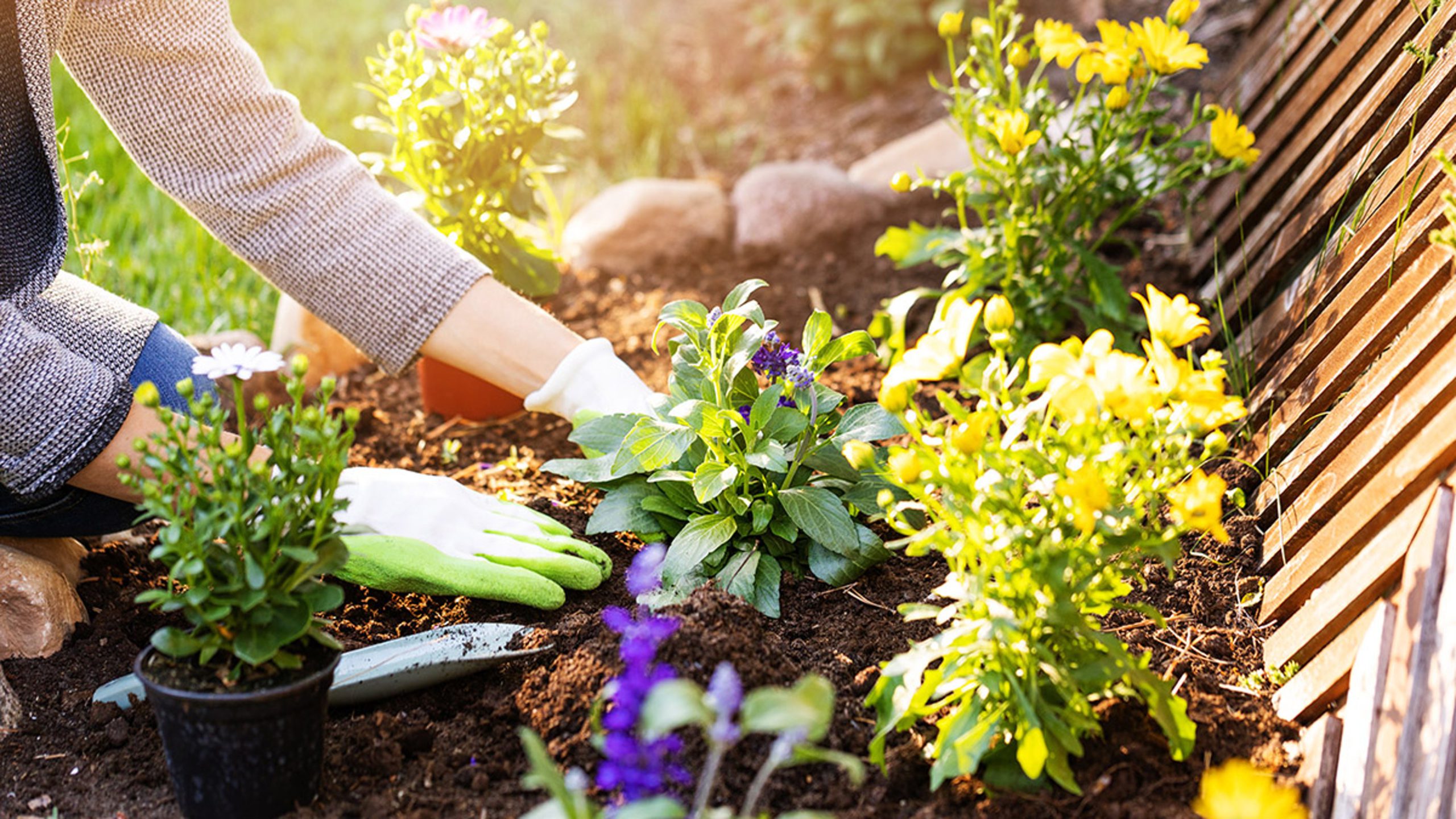
Seasonal planting helps gardeners place vegetables, flowers, herbs, shrubs, and other plants into the ground when conditions support healthy growth. Across the United States, planting dates vary widely because of temperature, elevation, rainfall, frost patterns, and local climate.
A calendar date alone does not guarantee good planting conditions. Soil temperature, recent weather, crop type, and expected frost should also guide decisions. Gardeners in warm southern areas may begin spring planting weeks before those in northern regions. Higher elevations can also remain colder than nearby lower areas.
Understanding local patterns makes seasonal garden planning more reliable and reduces the risk of planting too early or too late.
Learn the Local Growing Zone
Plant hardiness zones help gardeners understand average winter temperature conditions.
They are useful when choosing perennial flowers, shrubs, and trees.
However, a zone does not explain every local growing condition.
Two properties in the same zone may have different soil, wind, sunlight, rainfall, and elevation.
Urban areas can also remain warmer than nearby rural locations.
Gardeners should treat zone information as one planning tool rather than a complete planting schedule.
Thoughtful regional garden planning can help homeowners combine zone information with local weather and property conditions.
Identify Average Frost Dates
Spring and fall frost dates influence the planting of many vegetables and flowers.
The last expected spring frost can help gardeners estimate when cold-sensitive plants may be moved outdoors.
The first expected fall frost provides a guide for late-season crop planning.
These dates are averages rather than guarantees.
A late spring cold period may occur after the typical date.
An early autumn frost may also arrive unexpectedly.
Gardeners should monitor local forecasts and protect vulnerable plants when necessary.
Start Cool-Season Crops Early
Certain vegetables perform well during cooler weather.
Lettuce, peas, spinach, radishes, and selected other crops may be planted before summer heat in many regions.
The exact timing depends on the crop and local conditions.
Soil should be workable rather than frozen or saturated.
Planting in extremely wet soil can cause compaction and poor seed conditions.
Some cool-season vegetables may also be planted again for autumn harvest.
Gardeners should check the expected time to maturity before late planting.
Wait for Warm Soil Before Summer Crops
Tomatoes, peppers, cucumbers, beans, squash, and other warm-season crops generally need warmer conditions.
Planting too early can slow growth and increase stress.
Warm daytime temperatures do not always mean the soil is ready.
Cold nights may continue after mild afternoons.
Gardeners should avoid rushing because plants displayed at stores may still need protection in some regions.
A healthy plant installed at the correct time may grow faster than one placed outdoors too early.
Creative seasonal planting inspiration can help gardeners plan attractive combinations without ignoring temperature needs.
Use Spring for Trees and Shrubs Carefully
Spring can be a suitable planting period for many trees and shrubs.
Cooler weather may reduce stress compared with extreme summer heat.
Roots still need consistent moisture during establishment.
The planting hole should match the plant and local soil conditions.
Homeowners should avoid placing plants too deeply.
Mature size should be considered before choosing a location.
Trees and shrubs may remain in the landscape for decades, making careful placement more important than quick seasonal color.
Plan Summer Planting Around Heat
Summer planting can be difficult during hot, dry weather.
New roots may struggle when soil loses moisture quickly.
Homeowners who plant during summer should monitor water carefully.
Early morning or cooler weather periods may be more suitable for installation.
Containers can dry faster than in-ground beds.
Heat-tolerant annual flowers and vegetables may continue growing when selected for the region.
Gardeners should avoid assuming every plant sold during summer can tolerate intense afternoon sun.
Use Succession Planting for Longer Harvests
Succession planting involves replacing harvested crops or planting smaller amounts at different times.
This method can extend production without expanding the garden.
Fast-growing vegetables may be planted every few weeks during suitable weather.
An early crop can be followed by a warm-season crop.
Later, a cool-season vegetable may use the same space.
Gardeners should consider nutrient needs and crop families when planning repeated use.
Keeping seasonal planting records can make succession timing easier from year to year.
Prepare for Fall Vegetable Planting
Autumn gardens can produce leafy greens, root vegetables, and selected cool-season crops.
Timing can be more difficult than spring because plants begin during summer heat but mature as days become shorter.
Gardeners should count backward from the expected first frost.
Some crops tolerate light frost, while others need protection.
Growth may slow as daylight decreases.
Planting too late can result in immature crops.
Local experience is useful because fall conditions vary significantly across the country.
Plant Spring-Flowering Bulbs in Fall
Many spring-flowering bulbs are planted during autumn.
They use the cold season as part of their normal growth cycle.
Timing depends on climate and bulb type.
Gardeners should choose a location with suitable drainage.
Waterlogged soil can damage bulbs.
Planting depth and spacing should follow variety guidance.
Homeowners should consider where other plants will grow during spring and summer.
Marking the area can prevent accidental digging later.
Use Fall for Landscape Establishment
Cooler autumn weather can support the planting of some trees, shrubs, and perennials.
Soil may remain warm enough for root development after air temperatures decrease.
Plants still require water until the ground freezes or seasonal growth slows.
Late planting may not allow enough establishment time in colder regions.
Local climate should guide the decision.
Fall planting can reduce heat stress, but it does not eliminate the need for care.
Protect Plants During Unexpected Cold
Weather does not always follow the average schedule.
Gardeners can use suitable covers to protect certain plants during short cold periods.
Covers should not crush delicate growth.
Materials should be secured without creating unsafe conditions.
Plants may need ventilation after temperatures rise.
Containers can sometimes be moved into a protected location.
Homeowners should avoid using unsafe heat sources around plant covers.
Adjust for Microclimates
A yard may contain several small climate areas.
South-facing walls can create warmer conditions.
Low sections may collect cold air.
Windy corners can dry soil faster.
Protected patios may remain warmer than open garden beds.
Trees and fences can change sunlight and temperature.
Gardeners should observe where snow melts first, where frost remains longest, and where summer heat is strongest.
These patterns can improve plant placement.
Prepare Soil Before Each Season
Seasonal planting is more successful when soil is ready.
Gardeners should remove problem weeds, inspect drainage, and add suitable organic material when needed.
Soil testing may guide nutrient decisions.
Working wet soil can damage structure.
Beds should be prepared early enough to avoid rushed planting.
Mulch may help manage moisture after plants establish.
Different crops may require different soil conditions.
Avoid Planting Everything at Once
A single large planting day can create heavy maintenance later.
Staggering crops may spread harvests and reduce workload.
Flowers with different bloom periods can provide longer seasonal interest.
Homeowners should consider vacation schedules, summer heat, and available care.
A smaller garden planted thoughtfully may perform better than an oversized area.
Balanced year-round garden guidance can help families create realistic seasonal routines.
Seasonal planting works best when gardeners combine regional zone information with frost dates, soil conditions, weather forecasts, and plant needs. American garden zones provide a useful starting point, but local observation remains important. By planning cool-season crops, warm-season vegetables, fall gardens, bulbs, and permanent landscape plants at suitable times, gardeners can create healthier growth and more dependable results throughout the year.